Ann Arbor has earned a major national distinction, ranking as the No. 3 most prosperous city in the United States in the newly released Geography of Prosperity Index.
The Michigan college town, located just west of Detroit, finished behind only New York City and Durham, North Carolina, in the nationwide ranking of 250 cities.
Unlike traditional rankings that focus primarily on income, job growth, or population gains, the Geography of Prosperity Index evaluates which cities are best positioned to thrive in the decades ahead.
The result highlights Ann Arbor’s growing reputation as one of America’s leading hubs for innovation, education, talent development, and long-term economic resilience.
Why Ann Arbor ranks among America’s most prosperous cities
Ann Arbor’s strong performance stems from its ability to balance economic opportunity with long-term sustainability.
The Geography of Prosperity Index evaluates cities based on five key factors:
- Population renewal
- Climate resilience
- Automation readiness
- Social cohesion
- Governance and foresight.
Researchers found that Ann Arbor scored particularly well in areas such as climate resilience and readiness for technological change.
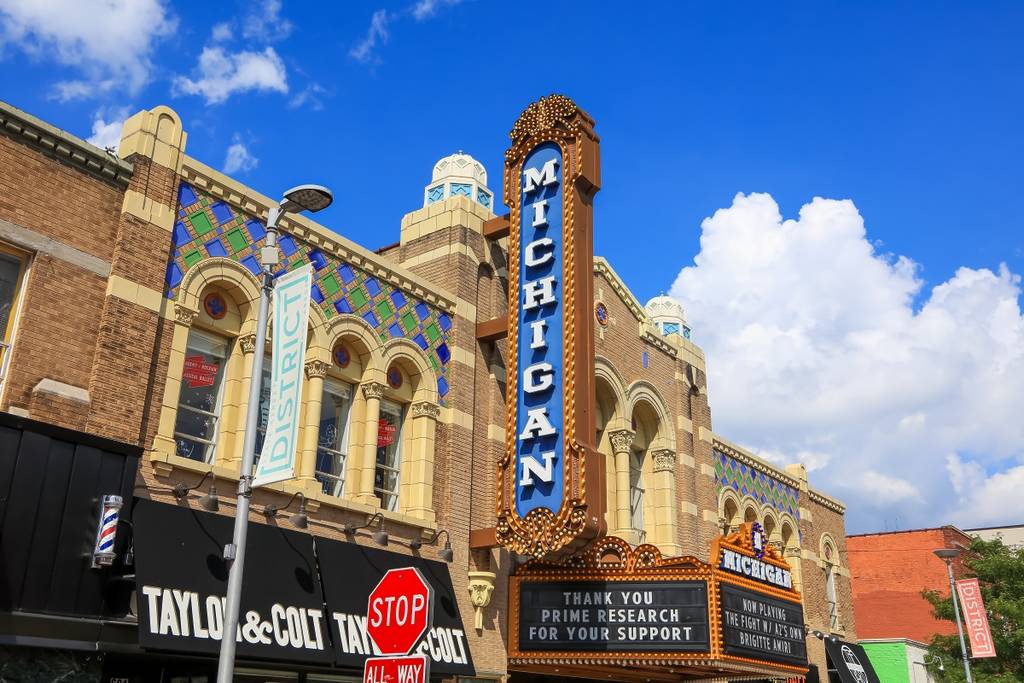
The city has also benefited from its close connection to the University of Michigan, which serves as a major driver of research, innovation, entrepreneurship, and workforce development.
Experts behind the index noted that Ann Arbor has evolved beyond being simply a college town. Significant investments in community development, technology, and innovation have helped transform the city into a nationally competitive economic center while maintaining a relatively high quality of life.
The city’s diversified economy, highly educated workforce, and ability to attract and retain talent helped propel it to the No. 3 spot nationwide.
What is the Geography of Prosperity Index?
The Geography of Prosperity Index is a new national ranking designed to measure a city’s ability to sustain prosperity over the long term rather than simply track current economic performance.
Created by researchers Bradley Schurman and Jaymes Cloninger, the index analyzes the 250 largest U.S. cities using dozens of indicators tied to future readiness and community resilience.
Instead of focusing on traditional economic metrics alone, the study examines how well cities are prepared for challenges such as demographic shifts, climate change, artificial intelligence, automation, and changing workforce demands.
The goal is to identify places that possess the foundational strengths needed to remain prosperous for future generations. In the inaugural rankings, Ann Arbor emerged as one of the nation’s standout success stories, joining New York City and Durham in the top three.
For Michigan, the ranking reinforces Ann Arbor’s growing status as a national leader in innovation, education, and long-term economic opportunity.