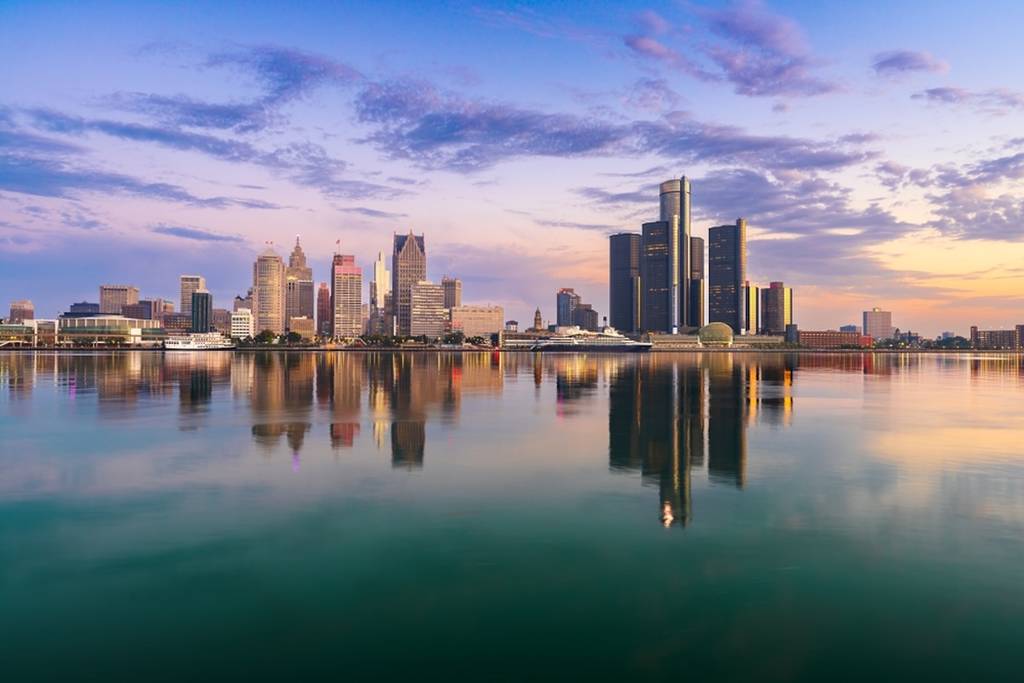

Detroit has been ranked the most stressed city in the United States in WalletHub’s 2026 Most & Least Stressed Cities in America report, which evaluated 182 cities nationwide.
The annual study examined everything from unemployment and household finances to family stability, health, safety, and crime before assigning each city an overall stress score.
Detroit earned the highest overall score of 61.82, placing it ahead of every other major U.S. city and ranking first in the nation for overall stress.
The city also ranked among the worst performers in several individual categories that heavily influenced the final results.
While the report doesn’t suggest that every resident experiences stress in the same way, it highlights how broader economic, financial and public health conditions can collectively shape everyday life across a community.
Why Detroit was named America’s most stressed city
According to WalletHub, Detroit’s ranking was driven by a combination of economic hardship, family-related challenges, and health and safety concerns.
The city ranked third for financial stress, second for family stress, and fourth for health and safety stress, contributing to its No. 1 overall ranking.
Several individual metrics stood out.
Detroit has the highest unemployment rate among the cities studied at 11.4%, along with the nation’s highest poverty rate at 31.5%.
The report also found that residents have one of the country’s lowest median household incomes after adjusting for cost of living, as well as one of the lowest median credit scores, signaling widespread financial strain.
Family-related indicators also played a major role. WalletHub found Detroit has the second-highest separation and divorce rate and the second-highest share of single-parent households.
On the health and safety side, the city ranked poorly due to factors including elevated violent crime, lower physical activity levels, and one of the nation’s highest obesity rates.
Although the findings paint a challenging picture, the rankings are intended to measure citywide conditions rather than the experiences of individual residents.
Many Detroit neighborhoods continue to experience investment, redevelopment and community growth even as broader socioeconomic challenges remain.

How the study determined its ranking
WalletHub compared 182 U.S. cities, including the country’s 150 largest cities and at least two of the most populous cities in every state. Researchers evaluated each location across 39 separate metrics divided into four equally weighted categories: work stress, financial stress, family stress, and health & safety stress.
The study incorporated data from numerous national organizations, including the U.S. Census Bureau, Bureau of Labor Statistics, Centers for Disease Control and Prevention, Federal Bureau of Investigation, TransUnion, Indeed, and several other public and private data providers.
Each metric was scored on a 100-point scale, with higher scores representing higher levels of stress. WalletHub then calculated a weighted average across all categories to determine each city’s final ranking.
The analysis focused on city proper boundaries rather than surrounding metropolitan areas, meaning Detroit’s ranking reflects conditions within the city itself rather than the broader Metro Detroit region.